qn010@qinuo.net
Tel:+86 13616068720

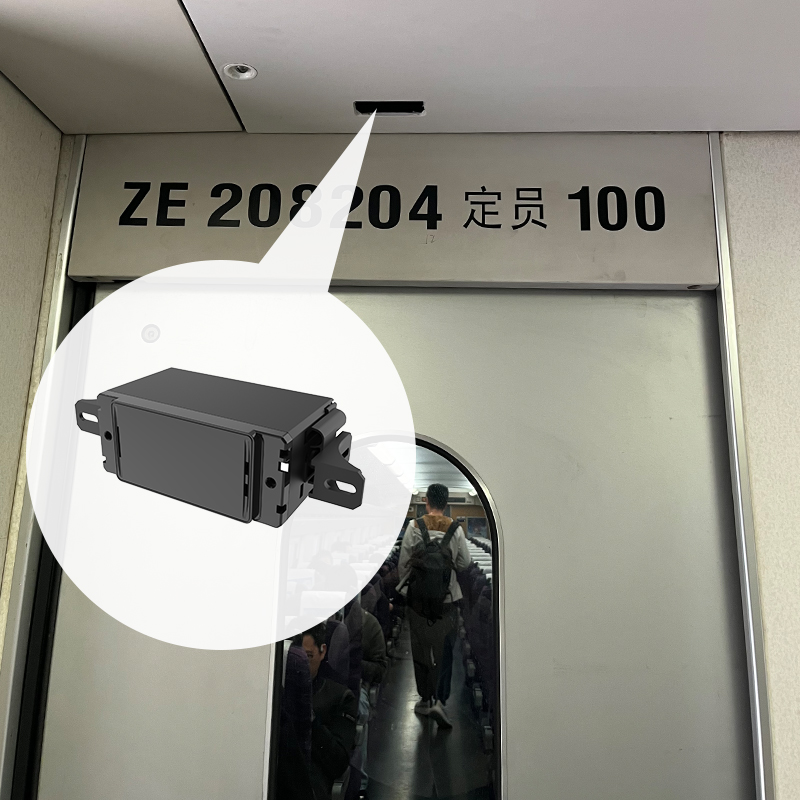
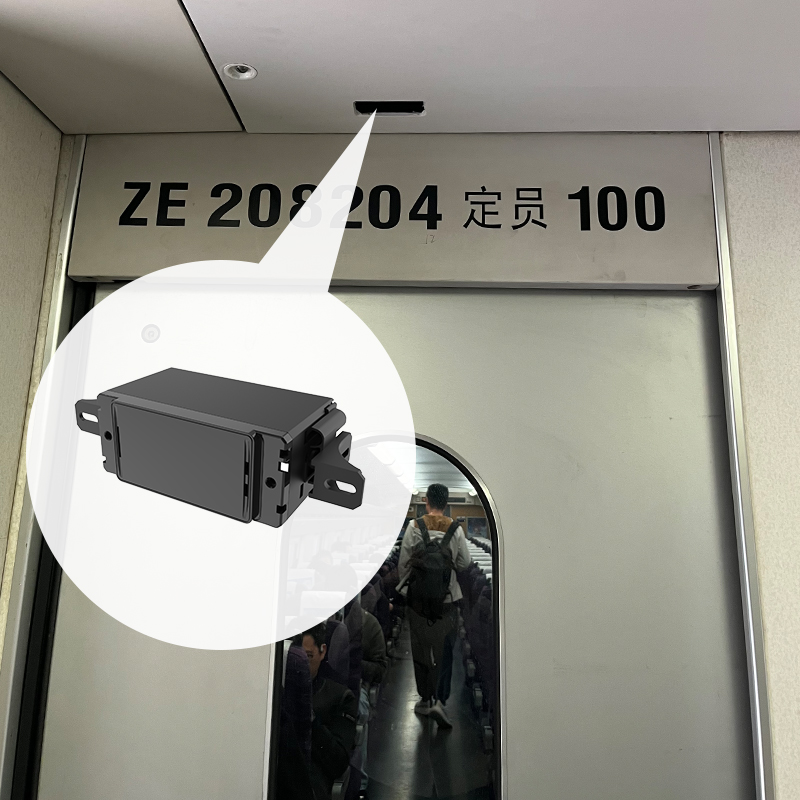
Automatic doors on trains (metro, commuter, high‑speed, etc.) are critical — they must open and close reliably, but also safely. A malfunction or mis‑timed closing can cause injury to passengers, especially during rush hours. Installing an active infrared safety sensor for train doors can significantly improve both safety and operational reliability.
One such example is the “Train Door Sensor | Active Infrared Safety Sensor for Automated Train Doors” from Inspirit Control System.
This sensor uses active infrared technology, meaning it emits infrared beams and monitors reflections from objects (people, luggage, etc.) in the door area.
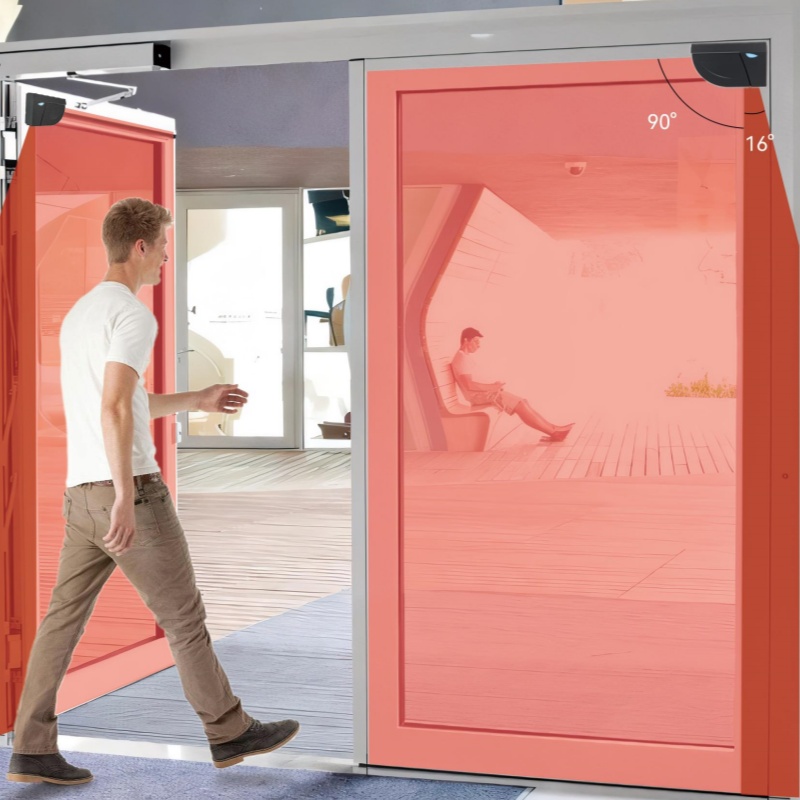
The specific sensor creates a “detection field” composed of 15 independent light‑spots (i.e., discrete beam/reflection zones), which together form a flexible, adjustable detection zone.
It supports both motion detection and static presence detection — so it can detect someone moving toward the door or standing still in the doorway.
The sensor is designed for the demanding environment of rail transit: it supports a broad voltage range (12–30 VAC or 12–45 VDC), can operate across a wide temperature range (−25 °C to 60 °C), and uses robust housing suitable for public‑transport use.
Because the sensor detects both motion and presence, it can prevent the doors from closing if a passenger (or baggage) is in the threshold — avoiding “pinch” accidents. The 15‑spot detection grid enables precise coverage so that even small or partially obstructing objects can be detected.
Fast reaction — the sensor’s response time is under 100 milliseconds — ensuring the door system can respond almost immediately once an obstruction is detected.
Adjustable sensitivity and detection area: railway operators can fine‑tune detection zones depending on door size, passenger flow patterns, and traffic conditions — reducing the risk of false activations while maximizing safety.
Rail environments (especially for metro and high-speed trains) may suffer vibration, temperature extremes, dust, humidity, or frequent use. The sensor’s robust design and broad operating temperature make it suitable for these conditions.
Compared with simpler “contact‑edge” sensors (which rely on a physical touch/pressure to detect obstruction), infrared sensors provide non-contact detection, which avoids wear and tear, increases durability, and demands less maintenance. This approach is commonly recognized as providing a more reliable and low-maintenance solution.
Because the sensor can detect presence even if a passenger is standing still — not just motion — the door control system can remain open as long as needed, for example during boarding and alighting in a crowded station, avoiding abrupt door closures.
The adjustable “hold‑open time” (the time the door remains open after detection) helps operators optimize dwell time: long enough for safe boarding, but not so long as to delay train departure unnecessarily. According to the product page, hold‑open time is configurable (from 0.5 s up to 9 s).
By reducing unnecessary door closures and re-openings, the system can contribute to smoother passenger flow, less door stress, and possibly energy savings (less frequent door motor activation).
The sensor includes flexible configuration options: sensitivity, detection-area size and shape, hold‑time, presence-time settings, etc. This flexibility makes it suitable for various train types: metro cars, commuter trains, high-speed trains, and different door geometries.
Installation is relatively straightforward: the sensor can be mounted up to 2.8 m high, with tilt adjustment (0–20°), making it compatible with typical train door frames.
Because of its design and robustness, it’s suitable not only for new rolling-stock but also for retrofitting existing train sets to upgrade safety and automation features.
As rail transit systems become increasingly automated — higher frequency, heavier passenger loads, shorter station dwell times — the demands on door safety and reliability grow. A sensor like this helps address those demands: balancing safety (passenger protection) and efficiency (fast yet safe door cycles).
For urban metros and high‑speed trains, passenger flow during peak hours can be intense. Non-contact, fast-response, reliable sensing ensures doors won’t close prematurely or dangerously, which improves overall passenger comfort and reduces risk.
Maintenance overhead is always a concern in public‑transport fleets. A robust, contactless infrared sensor reduces mechanical wear compared with contact/edge‑based safety devices, and lowers maintenance/inspection frequency — which in turn lowers lifecycle cost.
From a regulatory and liability standpoint, employing advanced detection sensors demonstrates commitment to passenger safety and can help operators meet or exceed safety standards for automated doors.
Using an active infrared safety sensor such as the one from Inspirit Control System for automated train doors brings significant benefits for modern rail systems: precise, reliable detection of passengers or obstacles — even when static; fast reaction times; robust performance under harsh environmental conditions; flexible configuration and easy installation; and improved safety, comfort, and operational efficiency.
For any operator of metro, commuter, or high‑speed rail — especially those upgrading or building new fleets — such sensors should be considered essential components of the door control and safety systems.