qn010@qinuo.net
Tel:+86 13616068720

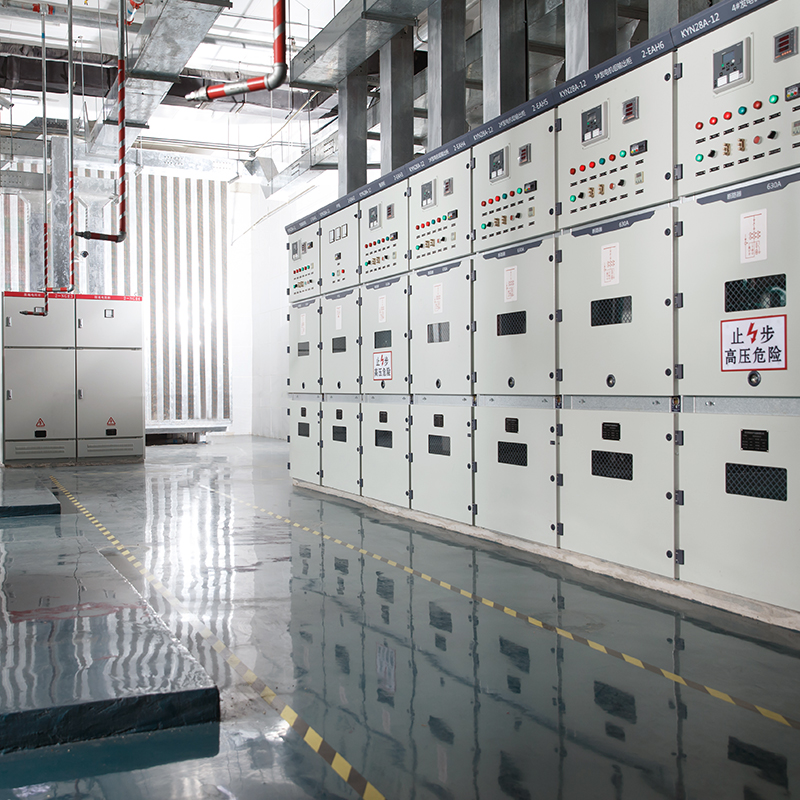
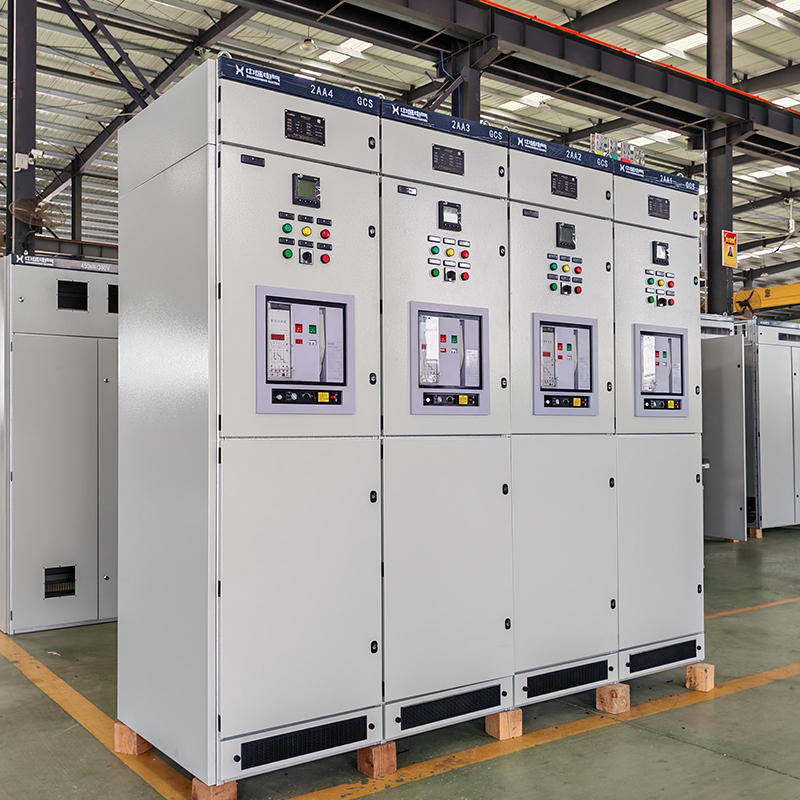
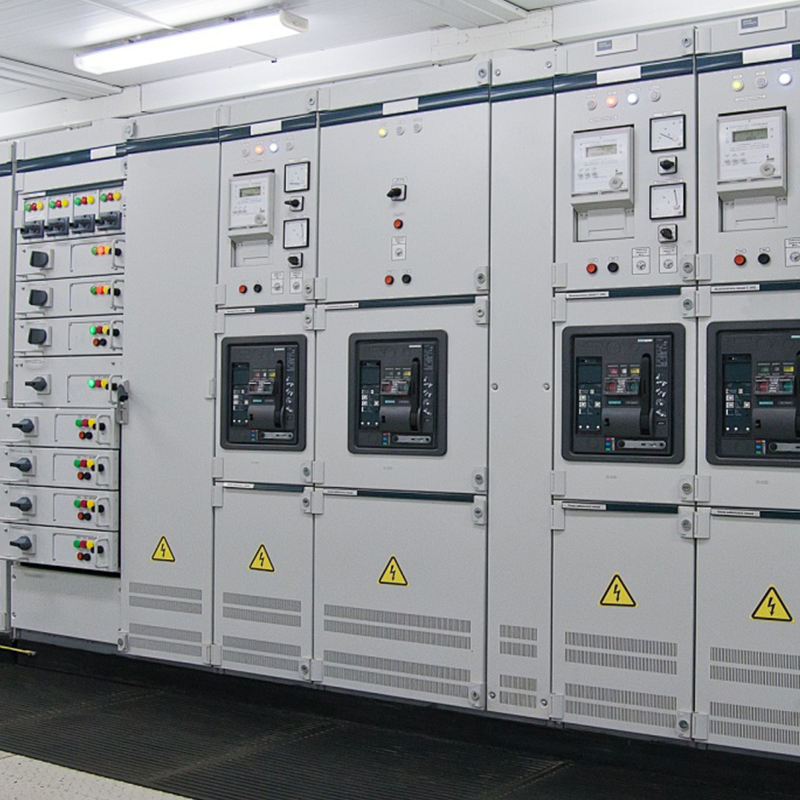
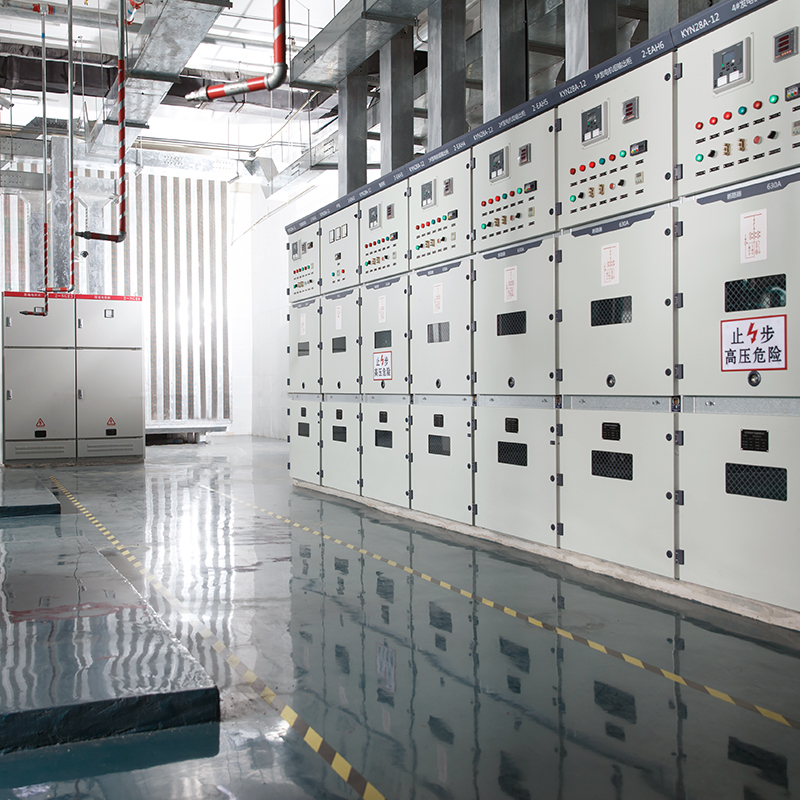
Moisture and condensation are silent threats to electrical equipment. In switchgear cabinets, even small amounts of humidity can cause insulation degradation, corrosion, tracking, and intermittent faults that compromise system reliability. Semiconductor dehumidifiers—compact, energy-efficient devices based on Peltier technology—offer an effective solution for moisture control inside switchgear, sealed transformers, central control cabinets, outdoor junction boxes and other enclosed electrical housings.
Prevent Corrosion: Metal terminals, busbars and connectors corrode faster in humid environments, increasing contact resistance and heat.
Avoid Insulation Breakdown: High humidity reduces dielectric strength and raises the risk of partial discharge and short circuits.
Reduce Condensation Risks: Rapid temperature changes lead to condensation on components; localized dehumidification removes moisture before it forms.
Improve Reliability: Stable humidity levels reduce nuisance trips, maintenance costs and unplanned downtime.
Semiconductor dehumidifiers provide steady humidity control for indoor cabinet banks serving manufacturing plants, commercial buildings, and utility control rooms. They keep sensitive controls and relays dry without introducing refrigerants or complex plumbing.
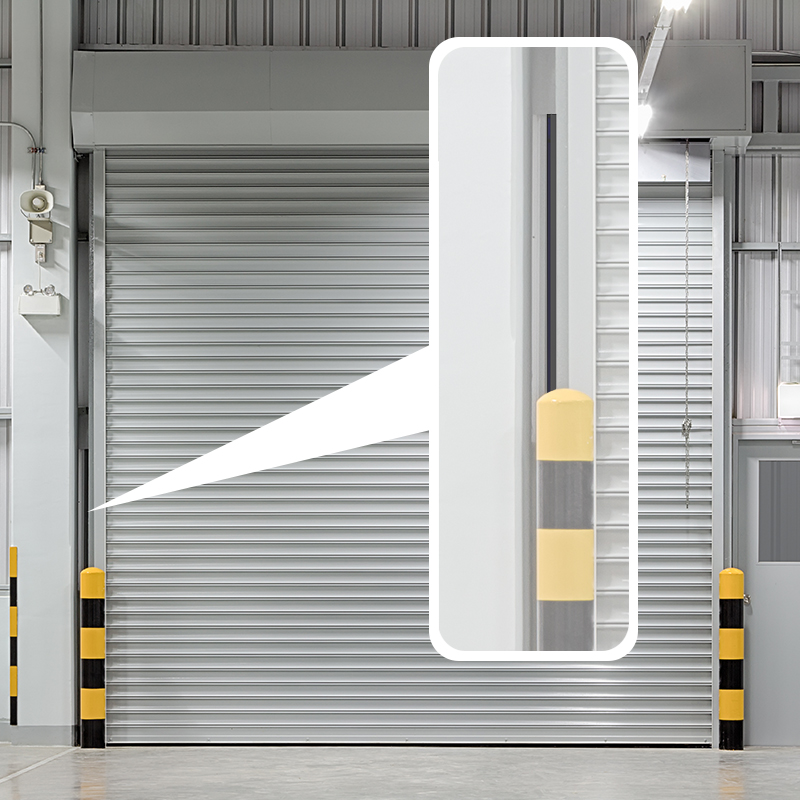
Outdoor enclosures and roadside cabinets face wide temperature swings and rain ingress. A Peltier-based dehumidifier with IP-rated housing protects electronics inside sealed boxes where conventional HVAC or refrigerant dehumidifiers are impractical.
Large sealed housings and transformer conservators benefit from localized dehumidification to prevent moisture migration into insulating oil and control electronics.
Telecom shelters, solar inverters, and energy storage cabinets often sit in harsh or remote locations. Low-maintenance semiconductor dehumidifiers provide continuous protection with minimal service needs.
Compact & Low-Profile: Easily mount inside cabinets or on mounting plates without wasting usable space.
No Refrigerants: Peltier (thermoelectric) technology uses solid-state cooling—safe for sealed electrical environments.
Low Power Consumption: Ideal for installations where energy efficiency and heat generation must be minimized.
Quiet & Vibration-Free: Suitable for control rooms and sensitive installations.
Simple Installation & Drain Options: Options include condensate evaporation, internal reservoirs, or external drain connections.
Reliable in Wide Temperatures: Many models operate across wide temperature ranges needed for industrial cabinets.
Target Relative Humidity: 40%–55% RH is commonly recommended for electrical cabinets to balance corrosion protection and operator comfort. For harsh or coastal environments, aim for the lower end (40%–45%).
Dew Point Management: Control humidity so dew point stays well below the coldest surface temperature inside the cabinet to prevent condensation.
Placement: Mount the dehumidifier near air circulation paths but away from high-heat components (transformers, power modules). Ensure intake vents are unobstructed.
Power & Controls: Use available setpoint controllers or integrate humidistat outputs with the cabinet monitoring system for remote alerts.
Mounting: Secure on cabinet interior wall or door using manufacturer-supplied brackets. Maintain manufacturer-recommended clearances for airflow.
Drainage: Choose the drain option that suits your site—internal reservoir (periodic emptying), evaporative drain, or piped external drain to a condensate outlet.
Filtration: Replace or clean intake screens/filters regularly (monthly or per site conditions) to maintain airflow and efficiency.
Inspection: Check operation indicators and condensate collection monthly; perform a full inspection annually.
Spare Parts & Warranty: Keep a spare fan, filter, or Peltier cartridge on hand for critical installations to reduce downtime.
When selecting a unit, consider: IP rating for dust/water protection, operating temperature range, power consumption, mounting options, and control interfaces (analog/digital outputs, dry contact alarms). Choose units manufactured with industrial-grade enclosures and, where required, models that can be supplied with compliance documentation (CE, RoHS, etc.).
A logistics center retrofitted semiconductor dehumidifiers into 50 outdoor feeder cabinets. Result: corrosion-related faults fell by 85% within six months, maintenance visits decreased, and cabinet component lifetimes extended — illustrating the ROI of targeted moisture control.
Q: Are semiconductor dehumidifiers suitable for very large enclosures?
A: They are ideal for small to medium sealed enclosures. For very large rooms, consider a centralized HVAC dehumidification solution or multiple units placed strategically.
Q: Do they heat the cabinet?
A: Peltier devices move heat internally; while they generate some heat on the hot side, properly ventilated cabinets dissipate it without affecting components. Choose models with low heat output for densely packed cabinets.
Q: How often do they need servicing?
A: Routine checks (filter/air inlet) monthly and full inspection annually are typical. Models with internal reservoirs may require more frequent attention.
Semiconductor dehumidifiers are an efficient, low-maintenance solution for protecting switchgear cabinets and other sealed electrical enclosures from moisture-related failures. By stabilizing humidity levels, these devices reduce corrosion, prevent condensation, and improve the long-term reliability of critical electrical infrastructure.
Interested in specifying a dehumidifier for your switchgear cabinets? Contact our sales team for model recommendations, datasheets, and customization options.